Tree Pruning Launceston
Considered pruning across Launceston by qualified arborists, formative work on young plantings, crown lifts over driveways and crown reduction on the large deciduous trees common in older suburbs.
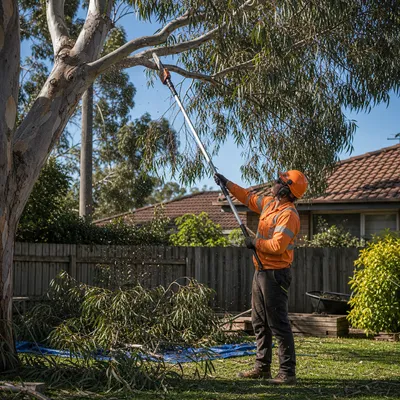
Most problems that show up in older Launceston trees were created by bad pruning years earlier. A heading cut on a leader (where the top is taken off rather than reduced to a proper lateral) creates a long-term rot entry point. A flush cut against the bark collar removes the tree's own defence mechanism at the wound site. Too much canopy removed in a single visit starves the root plate. Each of these mistakes is invisible at first, then shows up years later as a structural failure or a dying upper canopy. Our crew works around those principles on every job, finishing each cut at the natural collar and sizing the reduction to what the tree can handle.
Different species and situations call for different approaches. A young liquidambar on a Kings Meadows new build needs formative work, taking out crossing stems and secondary leaders while the wounds are still small and the tree can respond quickly. A mature English elm in Newstead overhanging a driveway usually wants a crown lift: clearing the lowest few metres without touching the upper canopy, which preserves the tree's full height and structure. A conifer hedge that's grown three metres past its intended height needs a structured reduction that doesn't expose bare inner wood to dieback.
The one thing we won't do is topping. Taking the whole upper section off horizontally to reduce height is quick but causes long-term damage, the tree responds with a mass of weakly attached watersprouts that are worse in the wind than the original canopy. A proper crown reduction takes longer and costs more, but the tree retains its structure and the work holds.
What's included
- Crown reduction back to a lateral that can take over the leader role
- Crown lifting to clear driveways, paths and structures beneath
- Thinning to increase light penetration without topping
- Deadwood removal, hangers and brittle limbs throughout the canopy
- Formative pruning for young and recently established trees
- Hedge reductions that preserve inner growth and shape
- Removal of competing stems or weak secondary leaders
- All prunings chipped on site as standard
When you might need this
- → A young tree has developed two main leaders competing for dominance
- → Branches are dragging across roofing or gutters
- → A vegetable patch or living area has lost its sunlight
- → Dead wood is visible through the canopy after a dry season
- → A hedge has grown completely out of its intended shape
- → Vehicle or foot clearance under the canopy is running short
- → A large deciduous tree needs managed reduction over time
Why locals choose us
Tree Removal in Launceston, done properly
Qualified arborists with public liability insurance and a locally based crew. Quotes are written and itemised. Sites are left clean.
Fully insured
Public liability insured
Qualified arborists
Qualified, locally based arborists
Same day response
Same day quotes
Locally based
Locally owned and operated, serving Launceston and surrounds
Careful pruning
Every job planned around protecting the tree, the property and everyone on site.
Right equipment
EWP, chippers, climbing rigs and rigging hardware on every truck
Other services we offer in Launceston
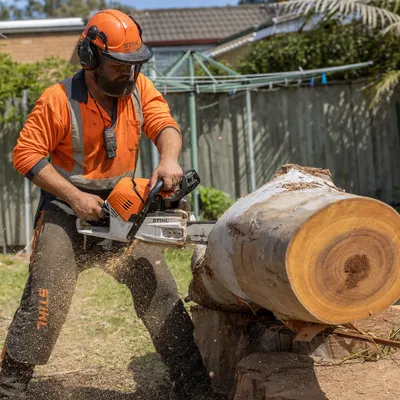
Tree Removal
Full felling or top-down sectional dismantling of unwanted, dead or hazardous trees, including trees close to powerlines and buildings across Launceston.
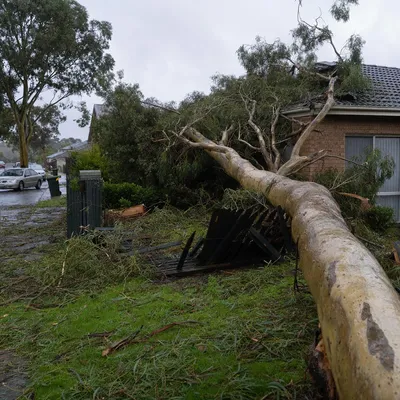
Emergency Tree Services
Round-the-clock attendance for storm damage, fallen limbs and unstable trees. Wet winters and valley wind events bring plenty of urgent callouts to Launceston.
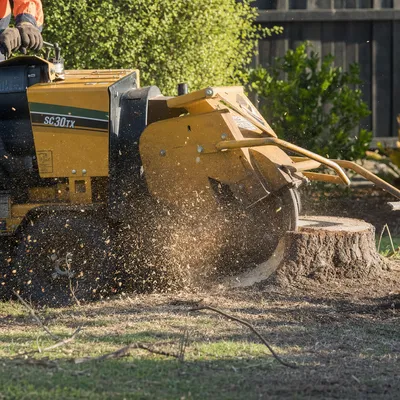
Stump Grinding
Stump removal below ground level so you can turf, pave or replant. Narrow machines available for the tight yard access common across older Launceston streets.
Tree Pruning FAQs
How is pruning different from lopping?
Pruning targets the branch collar and finishes the cut at the junction, the tree closes the wound and stays structurally sound. Lopping cuts wherever the saw can reach, leaving stubs that decay inward and push masses of weak regrowth. Lopping is faster and cheaper at the time; it causes failures and additional work for years after.
How much of the canopy can be removed in one visit?
Around 20 to 25 percent of the live canopy is the safe ceiling for most established trees in Launceston. Past that point, the root system is stressed, watersprouts push heavily and the cut faces are large enough to let decay in. If more reduction is needed, it's better done across two or three seasons.
When is the right time to prune in Launceston?
Eucalypts and most native species can be worked year-round in Launceston, the cuts close over reliably in most seasons. Deciduous trees like oaks, elms and ash are easier to read and manage during winter dormancy when the branch structure is visible. Stone fruit needs late winter, just before budbreak. We'll time it to the species when we quote.
Can wrong pruning actually harm a tree?
Definitely. Topping creates decay channels that work inward from the cut surface, the trunk hollows over years without showing signs above ground. Removing too much canopy in one pass collapses the energy the roots receive. A mature tree pruned badly is worse off than if it had been left entirely alone.
Suburbs we service around Launceston
Don't see your suburb? Get in touch. We likely still cover it.
Need tree removal in Launceston?
Call now or fill in the enquiry form for a local tree removal quote.